Posted on

Why Your New Metal Roof Still Looks Unfinished (And the Cupola Fix)

Barn Cupola Ideas for a Finished Roofline

A flat metal roof looks bare because it lacks a focal point, and a cupola fixes that by breaking up the roofline. Getting it right means matching cupola size to roof length, coordinating roof colors, and placing it slightly off-center on longer barns. These Barn Cupola Ideas for a Finished Roofline turn a plain metal roof into one that looks intentional and complete.

You finally got the new metal roof on the barn. It’s clean, it’s durable, it should feel like a finish line. Instead it looks flat, almost commercial, like something off a warehouse rather than a barn with character. If that’s where you’re stuck, the fix isn’t the roof itself, it’s what sits on top of it. Below, we walk through real Barn Cupola Ideas for a Finished Roofline so that the flat metal panel starts looking intentional instead of unfinished.

Why Does a New Metal Roof Look Unfinished Without a Cupola?

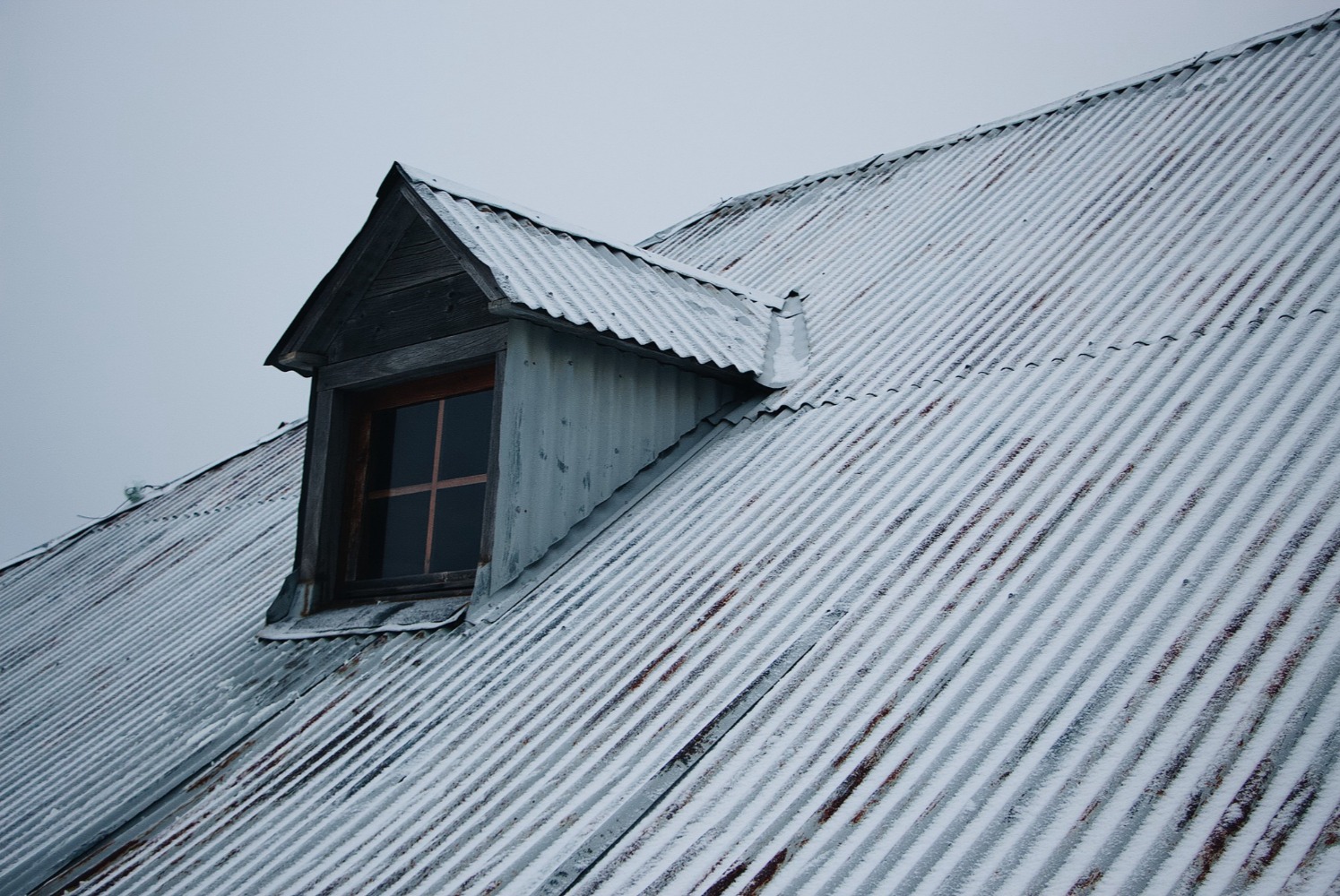
Because metal roofing is uniform by design, and uniform reads as bare without a focal point. Shingled roofs naturally break up light and texture through overlapping layers, but standing-seam or corrugated metal is smooth and flat across the whole plane. That flatness is great for weather performance, not so great for visual interest. A cupola gives the eye somewhere to land, breaking that long unbroken ridge line and turning a purely functional roof into something that actually looks designed.

Where Should a Cupola Sit on a Metal Roof for the Best Look?

Centered on the main ridge, roughly one-third to halfway along the length of the barn, not dead center on a very long roofline. On smaller or shorter barns, the true center works fine. On longer barns, placing it slightly off from dead center, closer to the entrance side or the most visible approach, tends to look more natural and less like an afterthought. Ridge placement also matters for function: it needs to sit over ventilation openings if you’re using the cupola for airflow, not purely decoration.

What Size Cupola Fits a Metal Barn Roof?

Size should scale to the roofline, not to personal preference alone. A cupola that’s too small on a long metal roof disappears into the panel lines. Too large, and it overwhelms the structure.
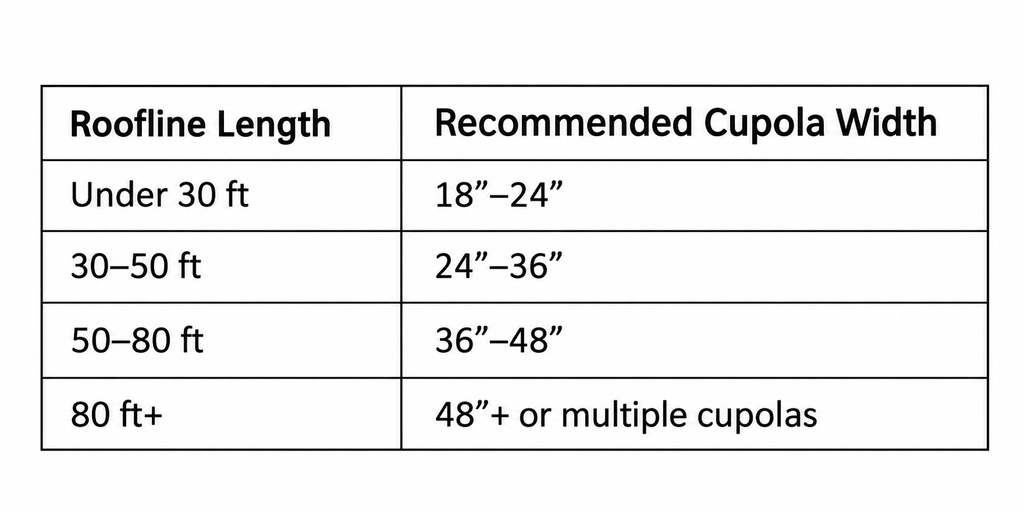
A simple rule many builders use: roughly 1.5 inches of cupola width for every foot of unbroken roofline. That keeps proportions looking natural instead of like a toy stuck on top.

What Style of Cupola Works Best With Metal Roofing?

It depends on what look you’re going for, but a few pairings consistently work well on metal barns:

  • Louvered cupolas for a traditional farm look with functional airflow.
  • Windowed cupolas when the barn interior needs natural light, not just ventilation.
  • Open-bell cupolas for a more classic, weathervane-topped silhouette.
  • Matching metal roof panels on the cupola itself, so it reads as part of the structure rather than an add-on.

The last point matters more than people expect. A cupola with a mismatched roof material, say, shingles on a metal barn, ends up looking like a patch instead of a finishing touch.

Should the Cupola Roof Match the Barn Roof Color?

In most cases, yes, or at least stay within the same family. A cupola roof in the same metal color as the main roof reads as one cohesive structure. A contrasting roof, like a copper or black cupola top against a lighter barn roof, can work too, but only when it’s a deliberate design choice, not a mismatch from ordering separately without checking the finish. When people search for Barn Cupola Ideas for a Finished Roofline, color coordination is one of the most overlooked details that makes the biggest visual difference.

Does a Cupola Help With Ventilation, or Is It Just Looks?

Both, if it’s built and installed correctly. A properly vented cupola pulls hot, moist air out of the top of the barn, which matters a lot more on a metal roof since metal conducts heat faster than shingles. That airflow helps protect stored hay, equipment, or livestock from heat buildup and moisture issues. Purely decorative cupolas exist too, with no functional louvers, but if you already have a metal roof running hotter in summer, a vented option gets you the finished look and a practical benefit at the same time.

What’s the Easiest Way to Finish a Flat Metal Roofline Without a Full Redesign?

A cupola is genuinely the lowest-effort, highest-impact fix available. It doesn’t require touching the existing roofing, doesn’t involve reworking the structure, and installs directly onto the ridge in a matter of hours in most cases. At Amish Country Products and More, we build cupolas by hand specifically for this problem: barns with a solid new roof that still feels like it’s missing something. We help you land on placement, sizing, and style that fits your roofline, so you’re not just browsing Barn Cupola Ideas for a Finished Roofline, you’re picking the one that will look right on your specific barn.

FAQs

Do I need to remove any roofing to install a cupola?

No, in most cases a cupola mounts directly onto the ridge over the existing roof, with flashing sealing the base. It doesn’t require tearing into the metal panels themselves.

Can a cupola be added after the metal roof is already installed?

Yes, cupolas are commonly added after the fact. It’s actually one of the more common reasons people search for options, realizing the roof feels incomplete only once it’s already on.

Will a cupola work on a barn with a low roof pitch?

Yes, though very low pitches may need an extension base to seat the cupola properly. Most cupolas are designed for pitches up to 10/12, which covers the majority of barn roofs.

Does a bigger cupola always look better?

No, oversized cupolas tend to overwhelm the roofline instead of finishing it. Matching size to the length of the roof is what makes it look proportional rather than added on.

Is a decorative cupola cheaper than a functional vented one?

Generally yes, since decorative versions skip the louvers and airflow components. The price difference isn’t huge, and if ventilation would help your barn anyway, a functional model is usually worth the small upgrade.

How long does cupola installation take on an existing roof?

Most installations take a few hours for a single cupola, assuming the roof structure underneath is solid. Larger or multiple cupolas on longer rooflines take a bit more time but still finish well within a day.
Posted on

The Patina Problem: What Nobody Tells You Before Choosing a Copper Cupola Roof

Copper vs Aluminum Cupola Roofs

Copper cupola roofs develop a natural patina, shifting from bright copper to brown, then blue-green, over 2 to 15+ years depending on climate. Aluminum stays consistent in color, costs less upfront, and skips the staining and maintenance questions that come with copper. Comparing Copper vs Aluminum Cupola Roofs comes down to whether you want that aged, rustic look or predictable, low-upkeep performance.

A lot of homeowners fall for copper because of how it looks in photos: bright, warm, almost gold. Then a few months pass and that shine starts sliding toward brown, then a streaky green, and the questions start piling up. Will it stay that color forever? Will it stain the roof underneath? Is aluminum actually the smarter buy? 

Below, we break down Copper vs Aluminum Cupola Roofs honestly, so you know what you’re signing up for before the order goes in, not after.

Does a Copper Cupola Roof Actually Turn Green?

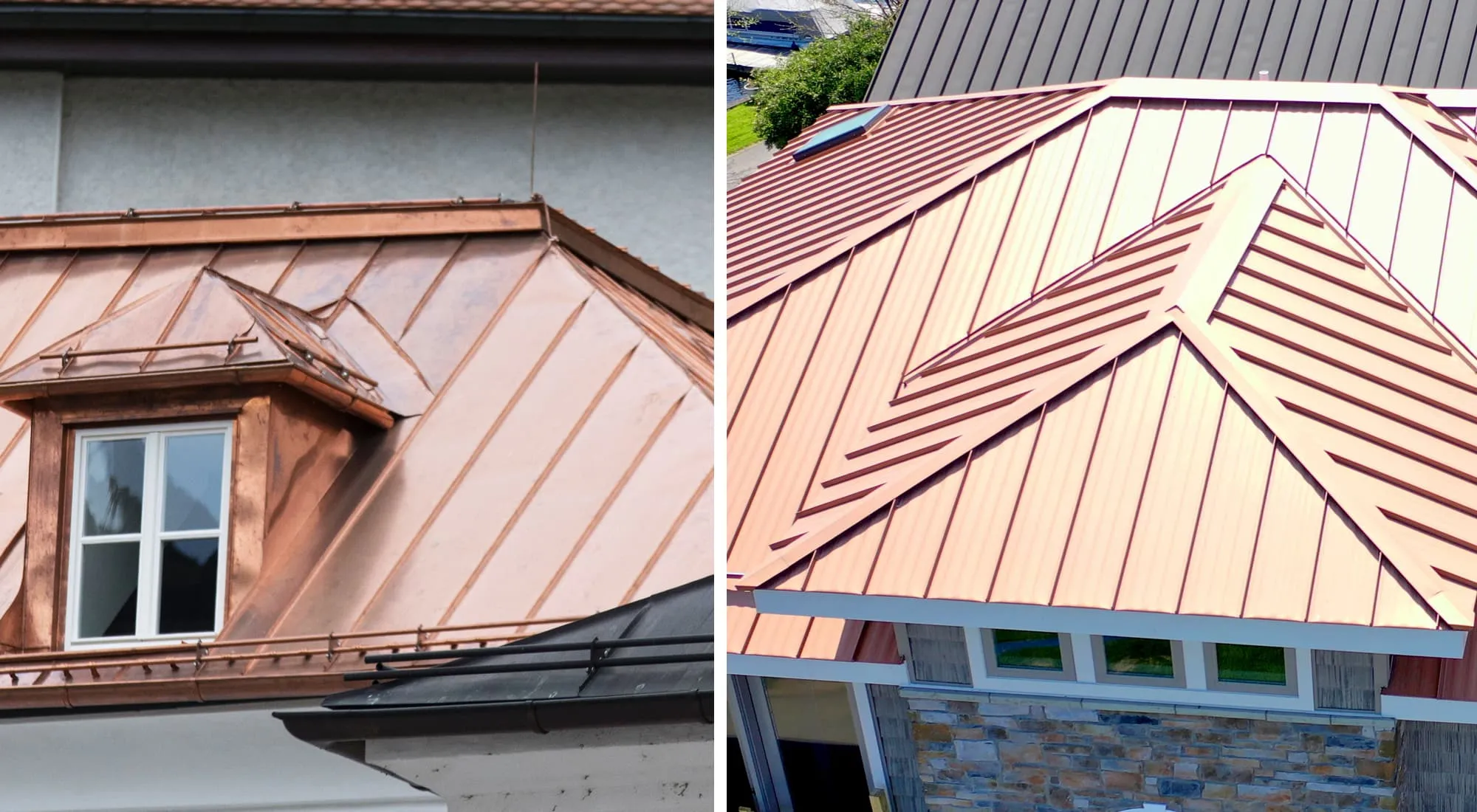
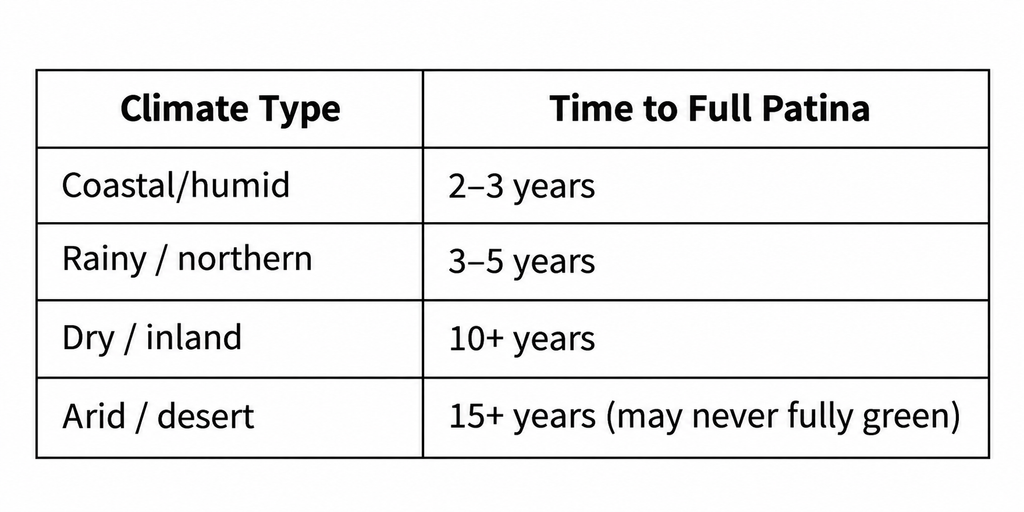
It does, and that’s not a flaw, it’s chemistry doing its job. Once copper is exposed to air and moisture, it develops a surface layer called patina. That layer starts dark brown, then shifts through amber and bronze tones before settling into blue-green. The patina isn’t just cosmetic either; it’s the reason copper roofs survive so long, since that oxidized layer shields the metal underneath from further wear.

How fast this happens depends entirely on where you live:

If you’re picturing that bright penny shine lasting forever, it won’t, and that’s worth knowing going in.

Why Do People Regret Choosing Copper Roofs?

Almost never because the material fails. It’s because nobody warned them the color would change. Someone sees a copper cupola gleaming in a catalog photo, orders one, and then feels blindsided a year later when it’s already darkening.

The other surprise is runoff. Rain moving across an aging copper roof carries trace amounts of the metal down with it, and that can leave greenish streaks on whatever sits below the drip line, roof shingles, siding, even gutters. It’s cosmetic, not structural, but it catches people off guard because it’s rarely mentioned at checkout. In conversations about Copper vs Aluminum Cupola Roofs, this single issue is what tips buyers toward aluminum.

Is Aluminum a Good Alternative to Copper for a Cupola Roof?

For a lot of people, yes, especially if the goal is that classic cupola look without the upkeep questions. A few reasons homeowners lean toward aluminum:

  • It won’t develop a patina, so the color stays consistent year after year.
  • It can be finished or painted to mimic copper’s warm tone.
  • It’s noticeably lighter, putting less stress on the cupola base and roof over time.
  • It contains no iron, so rust simply isn’t part of the equation.

How Long Does a Copper Cupola Roof Last Compared to Aluminum?

Copper wins here, and it’s not close. A properly installed copper roof can hold up for 60 to 100 years, sometimes longer, because that patina layer keeps protecting the metal instead of wearing it down. Aluminum holds its own too, typically lasting 30 to 50 years, which is still plenty for most homeowners, but it doesn’t have that same self-renewing protection built in. If longevity is your top priority, copper is the better long game.

Which Costs More Upfront, Copper or Aluminum Cupola Roofing?

Copper, by a wide margin in most cases. Part of that comes from the raw material itself, and part comes from the hand-seaming and craftsmanship copper roofing typically demands. Aluminum is friendlier on the wallet and easier to fabricate, which brings the total cupola price down without giving up much on looks or weather resistance. 

Can You Prevent or Slow Down Copper Patina?

Somewhat, not permanently. A clear protective coating can buy you a few extra years of that bright, penny-shine finish, but it needs reapplying periodically and won’t stop oxidation forever. Honestly, most people who go with copper end up leaning into the patina instead of fighting it. That aged, weathered look is a big part of what makes copper cupolas feel timeless on a farmhouse or barn in the first place. If you want zero color drift, aluminum with a factory finish is the more predictable route.

So Which One Should You Actually Choose?

If you like the idea of a roof that ages into something rustic and storied, and don’t mind a little staining below it, copper earns its price tag. If you’d rather have consistent color, lower maintenance, and more room left in your budget while still getting that same cupola charm, aluminum makes more practical sense.

At Amish Country Products and More, we build both by hand, so you’re never guessing which one fits. We’ll walk through Copper vs Aluminum Cupola Roofs with you based on your climate, your roofline, and how much upkeep you’re actually willing to take on, so whatever you choose still looks right ten years from now.

FAQs

Does a copper cupola roof need maintenance?

Barely any. The patina layer protects the metal as it ages, so there’s no sealing or repainting required unless you specifically want to slow the color change with a coating.

Will an aluminum cupola roof rust over time?

No. Aluminum has no iron in it, so true rust isn’t possible. It may show very light surface oxidation in humid areas, but nothing like the reddish rust you’d see on untreated steel.

Can I get an aluminum cupola roof that looks like copper?

Yes, plenty of aluminum cupolas come with a copper-tone finish or coating, giving you that warm color without the patina shift or the staining risk that comes with real copper.

Does climate affect how fast a copper roof changes color?

Definitely. Humid or coastal areas can push a full patina in two to three years, while dry inland climates can stretch that out past a decade.

Is copper or aluminum better for a barn cupola specifically?

Both hold up well. Copper tends to suit rustic or historic barns where an aged look fits right in, while aluminum suits barns where a clean, uniform appearance matters more.

Does the size of the cupola affect the price difference between copper and aluminum?

It does, and the gap widens as size goes up, since copper’s material cost scales faster than aluminum’s. On larger cupolas, going with aluminum can mean real savings without changing the design.

Posted on

The Small Detail That Makes or Breaks a Barn Roofline

size of cupola

Here’s the fast version: measure the unbroken length of your roof ridge in feet, then multiply that number by 1 to 1.5 inches. That gives you your cupola’s base width in inches. So a 24-foot ridge lands you somewhere between a 24″ and 36″ cupola, with most people landing right around the 30″ mark. That’s the real answer to what size cupola do I need, and we’ll walk through exactly how to apply it to your building below.

We hear this question more than almost any other one: what size cupola do I need for my barn, shed, or gazebo? It’s a fair question, because getting it wrong in either direction is obvious the moment the cupola goes up. Too small, and it looks like a birdhouse got left on the roof by accident. Too large, and it overwhelms the whole building instead of finishing it off.

The good news is that sizing a cupola isn’t guesswork. There’s a straightforward formula builders and roofers have relied on for years, and we want to walk you through it so you can order with confidence instead of crossing your fingers.

Why Getting the Size Right Actually Matters

A cupola isn’t just decoration sitting on top of a roof; it’s meant to look like it belongs there. When people ask us cupola size, what they’re really asking is how to avoid a rooftop feature that looks like an afterthought.

  • An undersized cupola disappears visually and can look accidental rather than intentional
  • An oversized cupola competes with the roofline instead of complementing it
  • The right size creates a natural focal point that draws the eye without overpowering the structure
  • Proper sizing also affects functionality, since louvered cupolas double as ventilation for barns and sheds
  • A well-proportioned cupola adds resale value and curb appeal to any property

The Ridge Line Formula, Step by Step

The industry standard for figuring out ‘what size cupola do I need’ comes down to one measurement: the length of the unbroken roof ridge where the cupola will sit.

  • Measure only the continuous section of ridge line, not the entire roof
  • Multiply that length in feet by 1 to 1.5 inches per foot
  • A 16-foot ridge suggests a cupola in the 16″ to 24″ range
  • A 24-foot ridge suggests something in the 24″ to 36″ range
  • A 48-foot ridge or longer often looks better with two cupolas rather than one oversized unit
  • When you’re between two sizes, most people find it looks better to size up rather than down

Matching Cupola Size to Roof Pitch and Building Width

Ridge length is the starting point, but roof pitch and overall building width matter too. Steeper roofs can visually shrink a cupola, so a slightly larger base often looks more balanced. Our own cupola bases, aside from the 48″ and 60″ models, are built large enough to sit on a 12-pitch roof without needing a ridge vent cap, which takes one variable off your plate.

  • Steep-pitched roofs (10-pitch and above) often look better with the next size up
  • Wider buildings can visually absorb a larger cupola without looking crowded
  • As a sanity check, the cupola base generally shouldn’t exceed about a third of the building’s width
  • Multiple smaller cupolas spaced evenly can look more proportional than one very large cupola on long rooflines
  • Every cupola we build is weathervane-ready with a 3/4″ mounting hole, so pitch and size decisions won’t limit your finishing options later

Cupola Sizes and Shapes to Choose From

Once you’ve landed on a target size, the next step is picking the shape and style that fits your building. We carry cupolas ranging from 16 inches all the way up to 72 inches, in both square and hexagon shapes.

  • Square and hexagon shapes are both available across most size ranges
  • Windowed cupolas use a vinyl frame with sturdy plexiglass for a classic look
  • Louvered cupolas offer a more traditional style and provide functional airflow
  • Roof styles include concave, bell, and straight profiles
  • Vinyl PVC board and copper construction means no repainting or rot to worry about down the road

Common Sizing Mistakes We See Often

Even with a solid formula, a few mistakes come up again and again when people are working out.

  • Measuring the full roofline instead of just the unbroken ridge section
  • Rounding down to save money instead of sizing up for proportion
  • Ignoring roof pitch, which changes how large a cupola appears once it’s installed
  • Choosing one large cupola for a long roofline instead of two smaller, evenly spaced ones
  • Not accounting for the base size needed to clear a ridge vent cap on steeper roofs

How Amish Country Products and More Builds Every Cupola

At Amish Country Products and More, every cupola is handcrafted by skilled Amish artisans using methods passed down through generations, right here in Lancaster County, Pennsylvania. We build with no-maintenance vinyl PVC board and copper instead of high-maintenance cedar or wood, so the cupola you order today still looks sharp years down the road. 

Normal build time runs 4 to 5 weeks, with smaller units shipped UPS Ground and larger units moving by motor freight. If you’re still unsure after running the numbers, our team is happy to talk through your roofline and help you land on the right fit.

Frequently Asked Questions

What size cupola do I need for a 30-foot ridge line? 

Using the standard 1 to 1.5 inch per foot rule, a 30-foot ridge calls for a cupola somewhere between 30″ and 45″. Most people land comfortably around 36″ for this length.

Do I need two cupolas instead of one? 

If your unbroken ridge line runs longer than about 48 feet, two smaller cupolas spaced evenly usually look more balanced than a single oversized one.

Does roof pitch change the sizing formula? 

Yes. Steeper roofs (10-pitch and above) tend to make a cupola look smaller once installed, so sizing up slightly is usually the safer call.

What’s the difference between windowed and louvered cupolas? 

Windowed cupolas use a vinyl frame with plexiglass for a decorative look, while louvered cupolas offer classic styling along with functional attic or barn ventilation.

How long does it take to receive a cupola after ordering? 

Normal build time is 4 to 5 weeks. Smaller cupolas ship UPS Ground, and larger units ship via motor freight.

Can I get a custom cupola size that falls outside the standard range? 

Yes, many cupolas can be customized in size, finish, or design. Reach out directly to discuss your specific roofline and requirements.

Posted on

Horse Weathervanes: A Timeless Tribute to America’s Equine Spirit

Horse weathervanes have long been one of the most recognizable and meaningful rooftop accents in American architecture. Whether you’re searching for a classic horse weathervane, an antique horse weathervane look, or copper weathervanes for sale that will last for decades, these designs combine practical wind direction with deep ties to equestrian heritage.

From working horse farms to show barns and private residences, the horse weathervane remains a symbol of strength, movement, and the close relationship between people and horses. Today’s copper horse weathervane designs continue that tradition while offering improved durability, precision balance, and mounting systems suited for modern roofs and cupolas.

Continue reading Horse Weathervanes: A Timeless Tribute to America’s Equine Spirit
Posted on

Unique and Informative Weathervane FAQs

wind vane working on cupola

Amish Country Products and More proudly offers a variety of weathervanes perfectly sized for use on cottages and sheds. Following are FAQs for our customers, to help you with your journey in finding the perfect weathervane online. (Note: You may need to use mounting brackets if you’re not installing the weathervane into a cupola.)

1. How does a wind vane work?

A wind vane, sometimes called a weathervane, works by rotating to indicate the direction of the wind. It’s a seemingly simple tool, yet based on physics. The design features a long horizontal pointer (often an arrow or themed figure like a rooster) mounted on a vertical spindle. This pointer is intentionally unbalanced: one end offers more surface area (the “tail”) while the other (the “tip”) is narrow and streamlined.

As wind flows, it presses against the tail end of the vane, which causes it to swing so the pointer faces into the wind. For example, if the arrow points north, it means the wind is coming from the north and blowing southward. Most weathervanes sit atop a set of directional indicators, N, S, E, and W, which help you interpret wind direction immediately.

But balance is key. A well-made wind vane, like those offered at Amish Country Products & More, spins freely on its axis with minimal friction. Our wind vanes remain accurate even in light wind. These functional touches, combined with signature designs, make them both practical and beautiful additions to any cottage shed or outdoor structure.

Continue reading Unique and Informative Weathervane FAQs
Posted on

Tack Trunk with Wheels: Smart, Portable Storage for Your Equestrian Gear

tack trunk with wheels equestrian wheeled storage

Keeping tack rooms and grooming areas organized is an ongoing task for any equestrian, whether you’re managing your barn at home or traveling to shows. One solution that blends durability with practicality is the use of a tack trunk with wheels, a staple in barns and horse trailers across the country.

Continue reading Tack Trunk with Wheels: Smart, Portable Storage for Your Equestrian Gear
Posted on

Amish-Made Feed Boxes: A Sustainable Choice

feed bins in tack room

Amish Country Products carries on a long-standing tradition of skilled craftsmanship that embraces a close relationship with nature.

Rooted in Amish country, we produce a range of high-quality, handcrafted items, including our exceptional pine feed boxes, that reflect generations of dedication to quality and authenticity.

These feed bins, particularly the horse feed box with an interior shelf and top opening hinged lid, and the horse feed box with flashing, are not only practical but also a testament to sustainable, thoughtful design.

Continue reading Amish-Made Feed Boxes: A Sustainable Choice
Posted on

Discover the Timeless Charm of a Cupola Weathervane

horse weathervane silhouette and sunrise

In a world dominated by modern architecture, cupola weathervanes offer a unique touch of timeless elegance. This functional yet decorative piece, also known as a cupola wind vane, has adorned homes and buildings for centuries — adding both visual appeal and practical benefits. Whether you’re a homeowner, history enthusiast, or architecture lover, this post will help you explore the world of cupola weathervanes. You’ll soon understand why a cupola weathervane adds instant charm to any property.

Continue reading Discover the Timeless Charm of a Cupola Weathervane
Posted on

Copper Roof Finials: A Beautiful Finishing Touch

Copper Roof Finials

When it comes to adding a timeless touch to your home, copper roof finials are the perfect choice. Historically, these decorative elements have adorned rooftops, turrets, and gables, enhancing their architectural beauty. But their significance goes beyond mere aesthetics. Copper finials symbolize craftsmanship and durability — qualities we live by at Amish Country Products & More.

Continue reading Copper Roof Finials: A Beautiful Finishing Touch
Posted on

The Enduring Appeal of Country Products

amish country products red barn cupola

In our fast-paced, ever-changing world, there is a timeless allure to the simplicity and craftsmanship of country products. Amish Country Products celebrates this enduring appeal through our dedication to traditional artisanship, quality, and the simple rural values that have stood the test of time. Let’s explore why these country store products captivate the hearts of modern buyers and how they continue to reflect the beauty of simpler times.

Continue reading The Enduring Appeal of Country Products