Posted on

Why Your New Metal Roof Still Looks Unfinished (And the Cupola Fix)

Barn Cupola Ideas for a Finished Roofline

A flat metal roof looks bare because it lacks a focal point, and a cupola fixes that by breaking up the roofline. Getting it right means matching cupola size to roof length, coordinating roof colors, and placing it slightly off-center on longer barns. These Barn Cupola Ideas for a Finished Roofline turn a plain metal roof into one that looks intentional and complete.

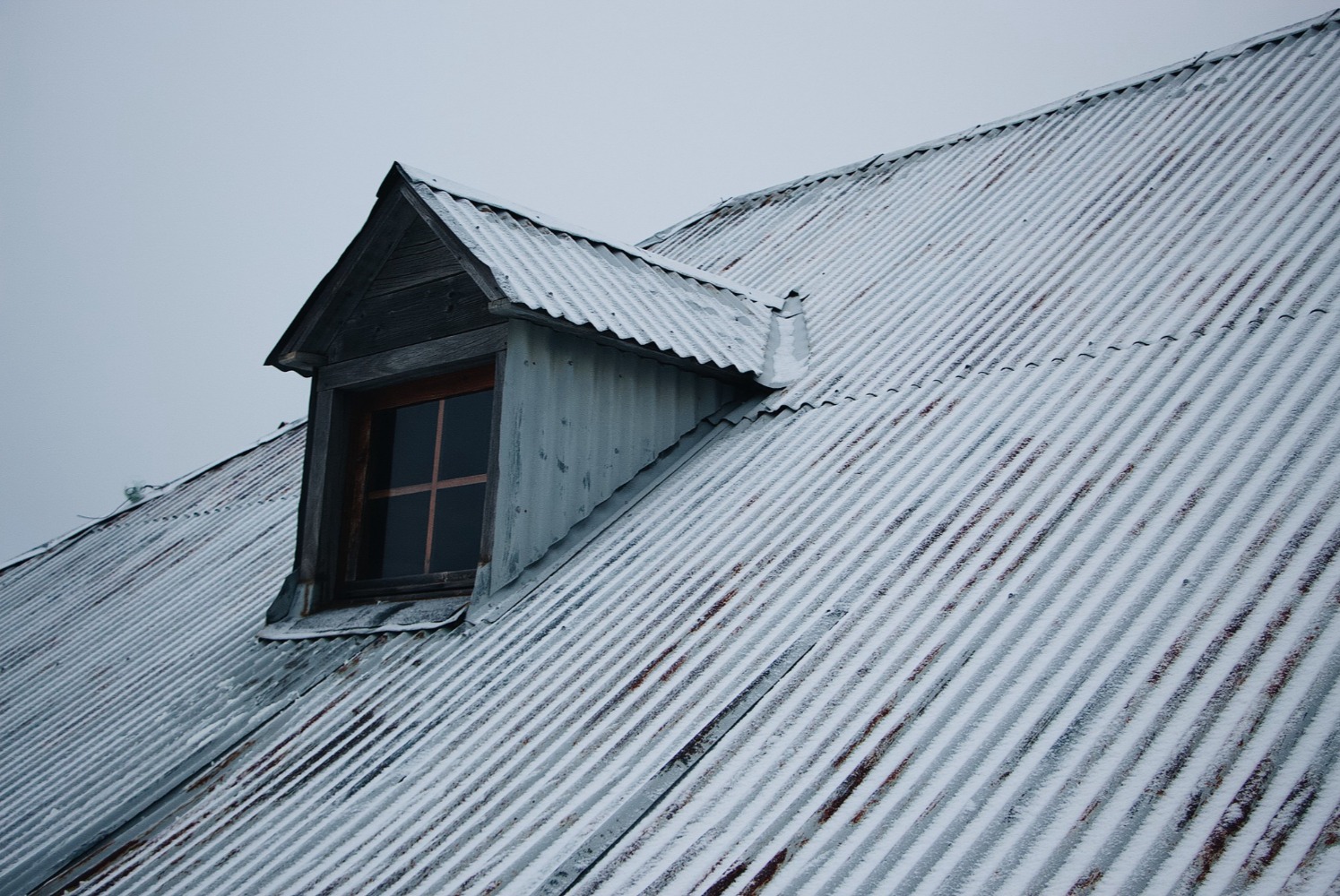
You finally got the new metal roof on the barn. It’s clean, it’s durable, it should feel like a finish line. Instead it looks flat, almost commercial, like something off a warehouse rather than a barn with character. If that’s where you’re stuck, the fix isn’t the roof itself, it’s what sits on top of it. Below, we walk through real Barn Cupola Ideas for a Finished Roofline so that the flat metal panel starts looking intentional instead of unfinished.

Why Does a New Metal Roof Look Unfinished Without a Cupola?

Because metal roofing is uniform by design, and uniform reads as bare without a focal point. Shingled roofs naturally break up light and texture through overlapping layers, but standing-seam or corrugated metal is smooth and flat across the whole plane. That flatness is great for weather performance, not so great for visual interest. A cupola gives the eye somewhere to land, breaking that long unbroken ridge line and turning a purely functional roof into something that actually looks designed.

Where Should a Cupola Sit on a Metal Roof for the Best Look?

Centered on the main ridge, roughly one-third to halfway along the length of the barn, not dead center on a very long roofline. On smaller or shorter barns, the true center works fine. On longer barns, placing it slightly off from dead center, closer to the entrance side or the most visible approach, tends to look more natural and less like an afterthought. Ridge placement also matters for function: it needs to sit over ventilation openings if you’re using the cupola for airflow, not purely decoration.

What Size Cupola Fits a Metal Barn Roof?

Size should scale to the roofline, not to personal preference alone. A cupola that’s too small on a long metal roof disappears into the panel lines. Too large, and it overwhelms the structure.
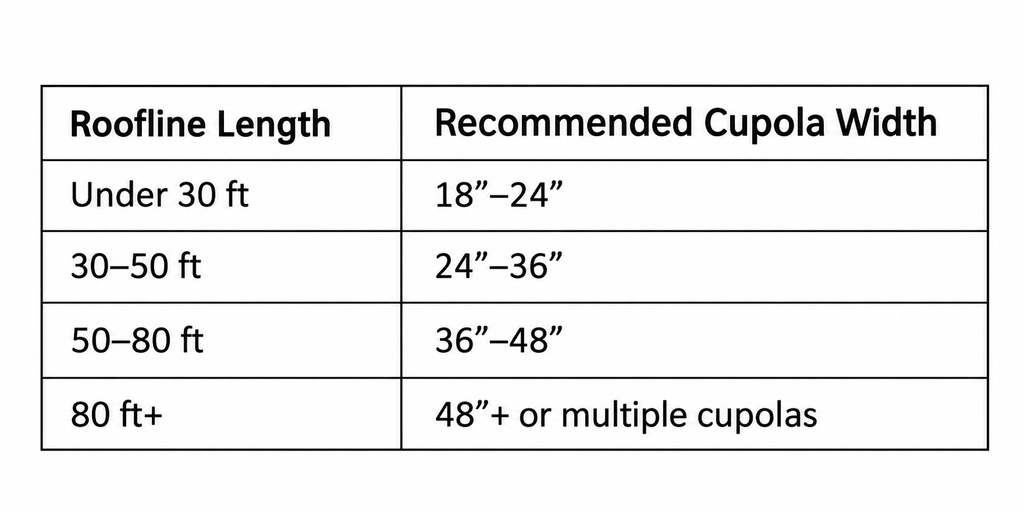
A simple rule many builders use: roughly 1.5 inches of cupola width for every foot of unbroken roofline. That keeps proportions looking natural instead of like a toy stuck on top.

What Style of Cupola Works Best With Metal Roofing?

It depends on what look you’re going for, but a few pairings consistently work well on metal barns:

  • Louvered cupolas for a traditional farm look with functional airflow.
  • Windowed cupolas when the barn interior needs natural light, not just ventilation.
  • Open-bell cupolas for a more classic, weathervane-topped silhouette.
  • Matching metal roof panels on the cupola itself, so it reads as part of the structure rather than an add-on.

The last point matters more than people expect. A cupola with a mismatched roof material, say, shingles on a metal barn, ends up looking like a patch instead of a finishing touch.

Should the Cupola Roof Match the Barn Roof Color?

In most cases, yes, or at least stay within the same family. A cupola roof in the same metal color as the main roof reads as one cohesive structure. A contrasting roof, like a copper or black cupola top against a lighter barn roof, can work too, but only when it’s a deliberate design choice, not a mismatch from ordering separately without checking the finish. When people search for Barn Cupola Ideas for a Finished Roofline, color coordination is one of the most overlooked details that makes the biggest visual difference.

Does a Cupola Help With Ventilation, or Is It Just Looks?

Both, if it’s built and installed correctly. A properly vented cupola pulls hot, moist air out of the top of the barn, which matters a lot more on a metal roof since metal conducts heat faster than shingles. That airflow helps protect stored hay, equipment, or livestock from heat buildup and moisture issues. Purely decorative cupolas exist too, with no functional louvers, but if you already have a metal roof running hotter in summer, a vented option gets you the finished look and a practical benefit at the same time.

What’s the Easiest Way to Finish a Flat Metal Roofline Without a Full Redesign?

A cupola is genuinely the lowest-effort, highest-impact fix available. It doesn’t require touching the existing roofing, doesn’t involve reworking the structure, and installs directly onto the ridge in a matter of hours in most cases. At Amish Country Products and More, we build cupolas by hand specifically for this problem: barns with a solid new roof that still feels like it’s missing something. We help you land on placement, sizing, and style that fits your roofline, so you’re not just browsing Barn Cupola Ideas for a Finished Roofline, you’re picking the one that will look right on your specific barn.

FAQs

Do I need to remove any roofing to install a cupola?

No, in most cases a cupola mounts directly onto the ridge over the existing roof, with flashing sealing the base. It doesn’t require tearing into the metal panels themselves.

Can a cupola be added after the metal roof is already installed?

Yes, cupolas are commonly added after the fact. It’s actually one of the more common reasons people search for options, realizing the roof feels incomplete only once it’s already on.

Will a cupola work on a barn with a low roof pitch?

Yes, though very low pitches may need an extension base to seat the cupola properly. Most cupolas are designed for pitches up to 10/12, which covers the majority of barn roofs.

Does a bigger cupola always look better?

No, oversized cupolas tend to overwhelm the roofline instead of finishing it. Matching size to the length of the roof is what makes it look proportional rather than added on.

Is a decorative cupola cheaper than a functional vented one?

Generally yes, since decorative versions skip the louvers and airflow components. The price difference isn’t huge, and if ventilation would help your barn anyway, a functional model is usually worth the small upgrade.

How long does cupola installation take on an existing roof?

Most installations take a few hours for a single cupola, assuming the roof structure underneath is solid. Larger or multiple cupolas on longer rooflines take a bit more time but still finish well within a day.
Posted on

The Small Detail That Makes or Breaks a Barn Roofline

size of cupola

Choosing a cupola starts with measuring the roofline where it will sit. A useful sizing guideline is to allow 1 to 1.5 inches of cupola base for every foot of unbroken roofline. For example, a 40-foot ridge gives you a starting range of 40 to 60 inches.

That measurement helps narrow your options, but it isn’t the only consideration. The shape of the roof, the cupola’s height and the overall appearance of the building also matter.

At Amish Country Products & More, we help customers compare cupola sizes and styles for barns, sheds and other buildings. Here’s how to work through the measurements before choosing a cupola.

Why Getting the Size Right Actually Matters

A cupola isn’t just decoration sitting on top of a roof; it’s meant to look like it belongs there. When people ask us cupola size, what they’re really asking is how to avoid a rooftop feature that looks like an afterthought.

  • An undersized cupola disappears visually and can look accidental rather than intentional
  • An oversized cupola competes with the roofline instead of complementing it
  • The right size creates a natural focal point that draws the eye without overpowering the structure
  • Proper sizing also affects functionality, since louvered cupolas double as ventilation for barns and sheds
  • A well-proportioned cupola adds resale value and curb appeal to any property

The Ridge Line Formula, Step by Step

The first step in choosing a cupola is measuring the continuous section of roof ridge where you plan to place it.

Here’s how to estimate a suitable base size:

  • Measure the unbroken roof ridge in feet.
  • Allow approximately 1 to 1.5 inches of cupola base for each foot of roofline.
  • Use the resulting range to compare available cupola sizes.
  • Check the roof shape and pitch before making your final choice.

For a 40-foot ridge, the formula gives a starting range of 40 to 60 inches. That doesn’t mean every cupola within the range will look identical. A smaller model will create a more subtle accent, while a larger one will stand out more.

The formula is a starting point for appearance, not a guarantee that a particular model will fit your roof.

Matching Cupola Size to Roof Pitch and Building Width

Ridge length helps narrow the size range, but roof pitch and the overall building shape also affect how a cupola looks.

A steep roof can change how much of the cupola is visible from the ground. A wide building may also look different from a narrow building with the same ridge length.

Before ordering, consider:

  • Roof pitch: Check the pitch your chosen cupola base can accommodate.
  • Building proportions: Compare the cupola’s width and height with the full roofline.
  • Ridge vents: Confirm whether the installation needs additional clearance or a base adjustment.
  • Multiple cupolas: For a particularly long roof, consider whether more than one cupola would suit the building’s appearance.

Don’t choose a larger model automatically because your roof is steep. Check the specifications of the cupola you’re considering, especially if your roof has an unusual pitch or existing ridge ventilation.

Cupola Sizes and Shapes to Choose From

Once you’ve landed on a target size, the next step is picking the shape and style that fits your building. We carry cupolas ranging from 16 inches all the way up to 72 inches, in both square and hexagon shapes.

  • Square and hexagon shapes are both available across most size ranges
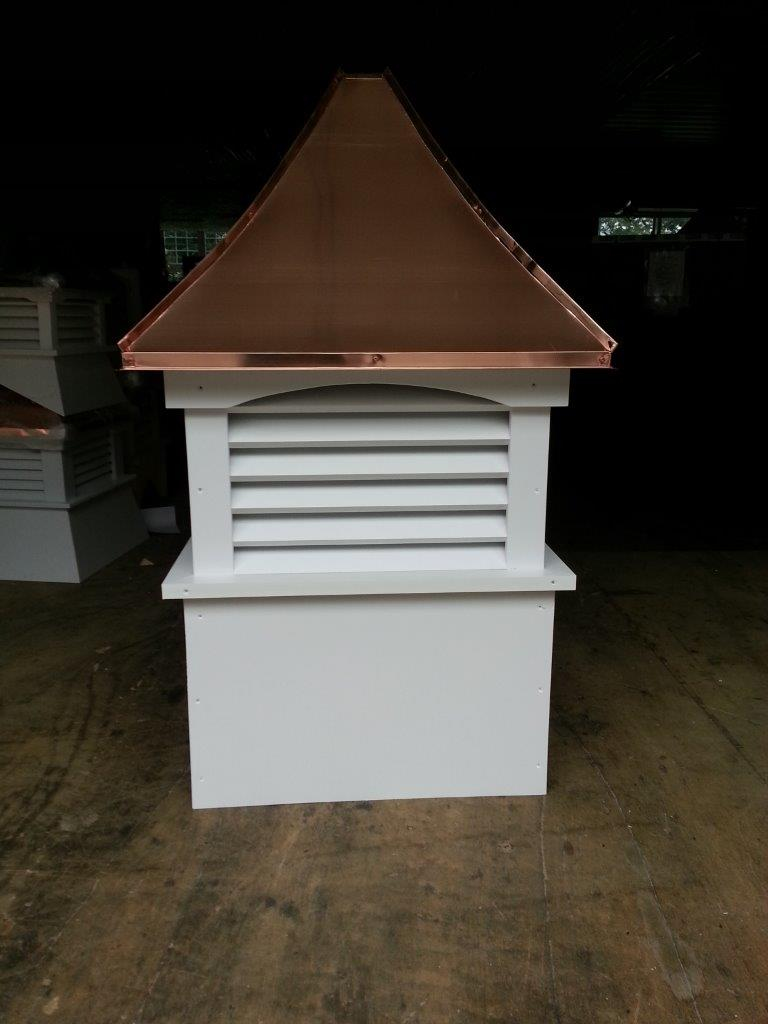
  • Windowed cupolas use a vinyl frame with sturdy plexiglass for a classic look
  • Louvered cupolas offer a more traditional style and provide functional airflow
  • Roof styles include concave, bell, and straight profiles
  • Vinyl PVC board and copper construction means no repainting or rot to worry about down the road

Common Sizing Mistakes We See Often

Even when you have a suitable size range, a few details can affect the final choice. These are worth checking before placing an order:

  • Measuring the entire roof instead of the continuous ridge section where the cupola will sit
  • Choosing a size based only on a product photo without checking its dimensions
  • Overlooking the cupola’s height when comparing different models
  • Forgetting to confirm the roof pitch the cupola base can accommodate
  • Failing to check whether existing ridge vents affect installation

Taking these measurements beforehand can help you narrow your options and avoid ordering a cupola that doesn’t suit the roof.

How Amish Country Products and More Builds Every Cupola

At Amish Country Products & More, we offer handcrafted cupolas made by Amish craftsmen in Lancaster County, Pennsylvania. Available materials and roof finishes vary by collection and model, so check the individual product details before ordering.

Our typical cupola shipping timeframe is 4 to 5 weeks, although the timing may vary depending on the product and order details. This is an estimated time before shipment, not a guaranteed delivery date.

If you’re unsure which size suits your building, contact our team with your roof measurements and the cupola styles you’re considering. We can help you compare the available options.

Frequently Asked Questions

What size cupola do I need for a 30-foot ridge line? 

Using the standard 1 to 1.5 inch per foot rule, a 30-foot ridge calls for a cupola somewhere between 30″ and 45″. Most people land comfortably around 36″ for this length.

Do I need two cupolas instead of one? 

For a long roofline, two cupolas may create a more balanced appearance than one large unit. There isn’t a single ridge length that makes two cupolas necessary. Consider the building’s proportions, the available cupola sizes and the spacing before deciding.

Does roof pitch change the sizing formula? 

Yes. Steeper roofs (10-pitch and above) tend to make a cupola look smaller once installed, so sizing up slightly is usually the safer call.

What’s the difference between windowed and louvered cupolas? 

Windowed cupolas use a vinyl frame with plexiglass for a decorative look, while louvered cupolas offer classic styling along with functional attic or barn ventilation.

How long does it take to receive a cupola after ordering? 

Our typical cupola shipping timeframe is 4 to 5 weeks, depending on the model and order details. Delivery takes additional time after shipment. Contact us to confirm the current estimate for your order.

Can I get a custom cupola size that falls outside the standard range? 

Yes, many cupolas can be customized in size, finish, or design. Reach out directly to discuss your specific roofline and requirements.