
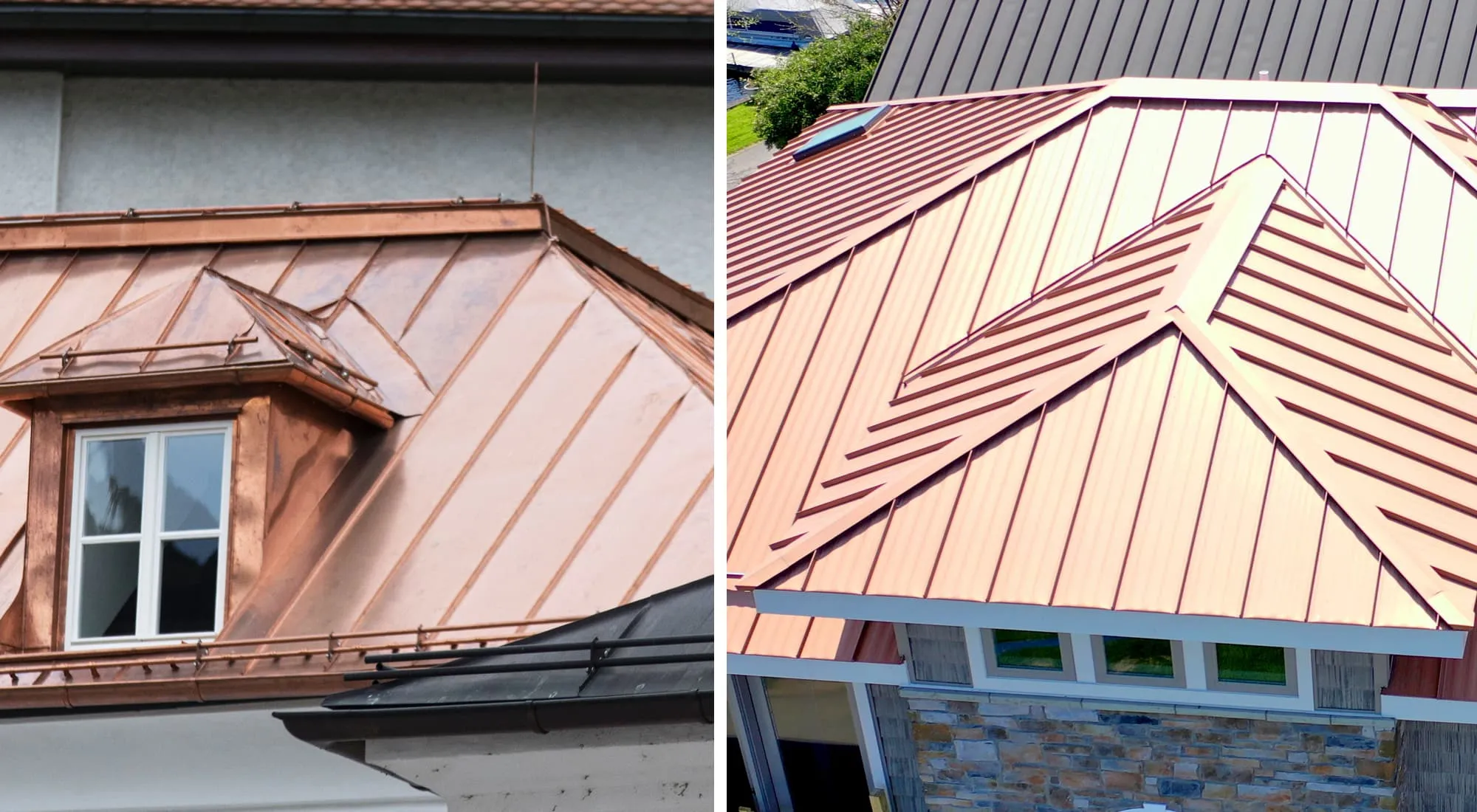
Copper cupola roofs develop a natural patina, shifting from bright copper to brown, then blue-green, over 2 to 15+ years depending on climate. Aluminum stays consistent in color, costs less upfront, and skips the staining and maintenance questions that come with copper. Comparing Copper vs Aluminum Cupola Roofs comes down to whether you want that aged, rustic look or predictable, low-upkeep performance.
A lot of homeowners fall for copper because of how it looks in photos: bright, warm, almost gold. Then a few months pass and that shine starts sliding toward brown, then a streaky green, and the questions start piling up. Will it stay that color forever? Will it stain the roof underneath? Is aluminum actually the smarter buy?
Below, we break down Copper vs Aluminum Cupola Roofs honestly, so you know what you’re signing up for before the order goes in, not after.
Does a Copper Cupola Roof Actually Turn Green?
It does, and that’s not a flaw, it’s chemistry doing its job. Once copper is exposed to air and moisture, it develops a surface layer called patina. That layer starts dark brown, then shifts through amber and bronze tones before settling into blue-green. The patina isn’t just cosmetic either; it’s the reason copper roofs survive so long, since that oxidized layer shields the metal underneath from further wear.
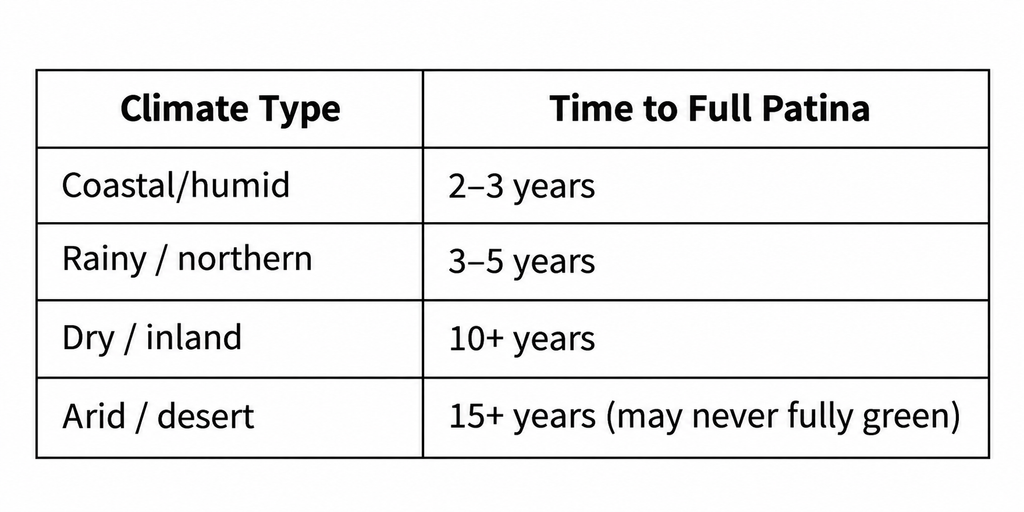
How fast this happens depends entirely on where you live:
If you’re picturing that bright penny shine lasting forever, it won’t, and that’s worth knowing going in.
Why Do People Regret Choosing Copper Roofs?
Almost never because the material fails. It’s because nobody warned them the color would change. Someone sees a copper cupola gleaming in a catalog photo, orders one, and then feels blindsided a year later when it’s already darkening.
The other surprise is runoff. Rain moving across an aging copper roof carries trace amounts of the metal down with it, and that can leave greenish streaks on whatever sits below the drip line, roof shingles, siding, even gutters. It’s cosmetic, not structural, but it catches people off guard because it’s rarely mentioned at checkout. In conversations about Copper vs Aluminum Cupola Roofs, this single issue is what tips buyers toward aluminum.
Is Aluminum a Good Alternative to Copper for a Cupola Roof?
For a lot of people, yes, especially if the goal is that classic cupola look without the upkeep questions. A few reasons homeowners lean toward aluminum:
- It won’t develop a patina, so the color stays consistent year after year.
- It can be finished or painted to mimic copper’s warm tone.
- It’s noticeably lighter, putting less stress on the cupola base and roof over time.
- It contains no iron, so rust simply isn’t part of the equation.
How Long Does a Copper Cupola Roof Last Compared to Aluminum?
Copper wins here, and it’s not close. A properly installed copper roof can hold up for 60 to 100 years, sometimes longer, because that patina layer keeps protecting the metal instead of wearing it down. Aluminum holds its own too, typically lasting 30 to 50 years, which is still plenty for most homeowners, but it doesn’t have that same self-renewing protection built in. If longevity is your top priority, copper is the better long game.
Which Costs More Upfront, Copper or Aluminum Cupola Roofing?
Copper, by a wide margin in most cases. Part of that comes from the raw material itself, and part comes from the hand-seaming and craftsmanship copper roofing typically demands. Aluminum is friendlier on the wallet and easier to fabricate, which brings the total cupola price down without giving up much on looks or weather resistance.
Can You Prevent or Slow Down Copper Patina?
Somewhat, not permanently. A clear protective coating can buy you a few extra years of that bright, penny-shine finish, but it needs reapplying periodically and won’t stop oxidation forever. Honestly, most people who go with copper end up leaning into the patina instead of fighting it. That aged, weathered look is a big part of what makes copper cupolas feel timeless on a farmhouse or barn in the first place. If you want zero color drift, aluminum with a factory finish is the more predictable route.
So Which One Should You Actually Choose?
If you like the idea of a roof that ages into something rustic and storied, and don’t mind a little staining below it, copper earns its price tag. If you’d rather have consistent color, lower maintenance, and more room left in your budget while still getting that same cupola charm, aluminum makes more practical sense.
At Amish Country Products and More, we build both by hand, so you’re never guessing which one fits. We’ll walk through Copper vs Aluminum Cupola Roofs with you based on your climate, your roofline, and how much upkeep you’re actually willing to take on, so whatever you choose still looks right ten years from now.
FAQs
Does a copper cupola roof need maintenance?
Barely any. The patina layer protects the metal as it ages, so there’s no sealing or repainting required unless you specifically want to slow the color change with a coating.
Will an aluminum cupola roof rust over time?
No. Aluminum has no iron in it, so true rust isn’t possible. It may show very light surface oxidation in humid areas, but nothing like the reddish rust you’d see on untreated steel.
Can I get an aluminum cupola roof that looks like copper?
Yes, plenty of aluminum cupolas come with a copper-tone finish or coating, giving you that warm color without the patina shift or the staining risk that comes with real copper.
Does climate affect how fast a copper roof changes color?
Definitely. Humid or coastal areas can push a full patina in two to three years, while dry inland climates can stretch that out past a decade.
Is copper or aluminum better for a barn cupola specifically?
Both hold up well. Copper tends to suit rustic or historic barns where an aged look fits right in, while aluminum suits barns where a clean, uniform appearance matters more.
Does the size of the cupola affect the price difference between copper and aluminum?
It does, and the gap widens as size goes up, since copper’s material cost scales faster than aluminum’s. On larger cupolas, going with aluminum can mean real savings without changing the design.